
We will Walk A Mile! by James Hook

This year Jen, Jordan, Matt Hill, and James will lead a team representing DJ’s Growers as we take on the Walk a Mile in My Boots challenge. 

We are taking on the long walk of 30 MILES (50km) to take us from Willunga to Adelaide. We will add to the Hutt St Centre’s collective goal of 70,000 miles for the 7,000 people experiencing homelessness in South Australia.

The long walk will be on Friday the 28th of July, rain, hail or hopefully shine.

Our fundraising page is here; https://www.walkamile.org.au/fundraisers/DJsGrowers/walk-a-mile-challenge-23

We are taking on the challenge this year because we are in a safe, supportive environment and now work where we know we would be supported if in distress. Unfortunately, not everyone is so privileged.

Hutt St Centre is a place of connection and support where people at risk of or experiencing homelessness are empowered to rebuild their lives, rediscover their identities and reunite with those who love them.

Since last year’s challenge, demand for critical services at Hutt St Centre has more than doubled. That means there’s never been a bigger need to provide nourishing meals, laundry facilities and hot showers for people experiencing homelessness in South Australia.

All team members will be raising funds for people experiencing homelessness in SA.

Kind regards,

James Hook, Jen Pedder, Jordan Matthews and Matthew Hill

South Australian Vineyards: Renovation opposed to mothballing. by James Hook

Our vineyards represent a substantial investment of time, effort, and resources. However, we are now at a point where the costs of producing grapes is now dropping below the grapes value. There are instances where vineyard owners need to suspend operations, particularly on key red grape varieties Cabernet Sauvignon and Shiraz, until market conditions improve. The current grape over supply may only be a temporary phase. Value could return if exports of wine increase demand for grapes. 

Should you mothball your vineyard? What about a vineyard renovation?

For this article we are going to argue that, as you are going to have costs for your vineyard if you mothball, you could invest those costs into renovation of your cordon wood.


You can’t turn off the lights, and lock the doors…

Firstly lets look at the Mothballing option. Mothballing a vineyard involves preserving its assets during a period of dormancy, ensuring the ability to resume operations when the time is right. This has generally taken the form of swapping to machine “barrel” pruning and then doing basic maintenance. The basic maintenance has a cost.

Come up with a plan and a budget: Mothballing isn’t abandoning a vineyard. You’ll need a maintenance plan tailored to run during the mothballing period that considers the absolute minimum that has to be performed to maintain your asset.

Even during periods of inactivity, it is essential to maintain the vineyard to preserve its long-term viability. A vineyard is not like a factory. Vines cannot be turned off. Some key maintenance activities will need to be performed. You’ll need basic pruning, weed control, irrigation management, and disease control.

Pruning: You will have to mechanically prune your vineyard, but this has the disadvantage of requiring time-consuming and expensive reworking to bring back into production. Once you change from hand-pruning to machine pruning you can’t easily change back. 

Machine pruning after one season creates a build up of poor quality spur wood making it difficult to return to hand two bud spurs.

Irrigation & fertiliser application: Irrigation is needed. Without extra water, the health of your vines suffers, and your irrigation system and schedule need to be maintained. There is a technique available to make vines drop fruit, spraying with ethephon, which will reduce the vines demand for water. 

Fertiliser can be somewhat skipped. Vines are generally efficient with nutrient uptake, and going a season or two without supplementary feeding is an acceptable practice.

Weed and Disease Control can’t be skipped: You are going to need to undertake some basic weed control (for fire risk and to limit competition with your vines) and disease control, believe me, you do not want to let Powdery Mildew levels build up in your vineyard, even for a single season. There are techniques to limit the amount of Powdery Mildew that builds up using only a minimum of fungicidal sprays. Agronomic advice can help with this. 

Downy Mildew and Botrytis levels building up are less of a concern. The next growing season, 2023/24, is forecast to have an El Nino weather pattern which generally reduces disease pressure for Downy Mildew and Botrytis.

Budget for your plan: You'll need to develop a budget that accounts for ongoing expenses, such as property taxes, insurance premiums, and the necessary maintenance costs. Ensure that the allocated funds sustain the vineyard during the dormant period.

If you are going to Mothball; why not renovate instead? 

Consider taking this time to cut back to the crown and rework your vines. This maybe the ideal time to undertake remedial surgery for Eutypa lata (dead arm) removal. This process takes two seasons, with the vines having 3/4 of a normal crop in the second year. If you re-worked your vineyard now, then they would skip Vintage 2024 and have some fruit for Vintage 2025, before “normal” crop levels in Vintage 2026. This timeline, speculating with a best guess, would fit the demand for wine if exports resume into the Chinese market during the next year or so. 

Once you have cut and removed the cordon you are up for similar costs as with a mothballed vineyard. The basic disease control, irrigation and weed control continue.

Wild card ideas?

Alternative Revenue Generation? Is there anything viable you can use the land for? Explore opportunities to generate revenue during the mothballing period, such as leasing the vineyard to grasiers, hosting events or tours, or selling unneeded equipment and inventory to generate income.

Research Programs? Research subsidies may be available for vineyards to be used as trial sites. These programs can provide financial relief and support during challenging times.

Think short-term / act long-term: While mothballing or renovating a vineyard involves a temporary suspension of selling grapes, it is essential to maintain a long-term perspective. Consider developing a strategic plan outlining the steps required to reactivate the vineyard. This plan should include timelines, investment requirements, and marketing strategies to re-establish the vineyard's presence in the market.

Communication and Networking: Maintaining open lines of communication with industry professionals, including local winemakers, grape buyers, and industry associations, is vital during the mothballing period. Networking with peers and staying connected to industry trends will help ensure a smooth transition back into full operation. 


Mothballing a vineyard can be prudent in certain circumstances, allowing vineyard owners to protect their assets during challenging times. By implementing a well-structured maintenance plan, managing finances effectively, ensuring security, and maintaining industry connections, vineyard owners can preserve their investments and position themselves for future success. While the mothballing period may present its challenges, careful planning and implementation can pave the way for a successful re-emergence.

Bud dissection service - our book is filling now. by James Hook

Technical services: Bud Dissection & Primary Bud Necrosis

DJ's are specialists in grapevine bud dissection and fruitfulness analysis. Due to poor spring growing conditions we are expecting to have low bud fruitfulness. We recommend using bud dissections for an indication of bud fertility and to help estimate yield potential for Vintage 2024.

Dissections are also useful to show the health status of a vineyard by determining the level of primary bud necrosis (PBN) and other disorders and even pest like Grape Vine Bud Mite.

PRICE ON APPLICATION

Contact Jess Caines (email) or Jen Peddar (email) for a quote on having your vineyard assessed before you start pruning. 

Olive Tissue Testing - Due late summer by James Hook

Leaf tissue analyses provide excellent information to guide a grove’s fertilisation program. Late December through to early February are the months to take olive leaf samples for analyses of the grove’s nutrient status. 

Leaf analysis is used to monitor the nutritional status of the trees, evaluate the effectiveness of fertiliser applications and to identify potential nutritional problems before they occur.

Contact Sam Freeman to arrange your samplying (email).

Downy Mildew ID Photos by James Hook

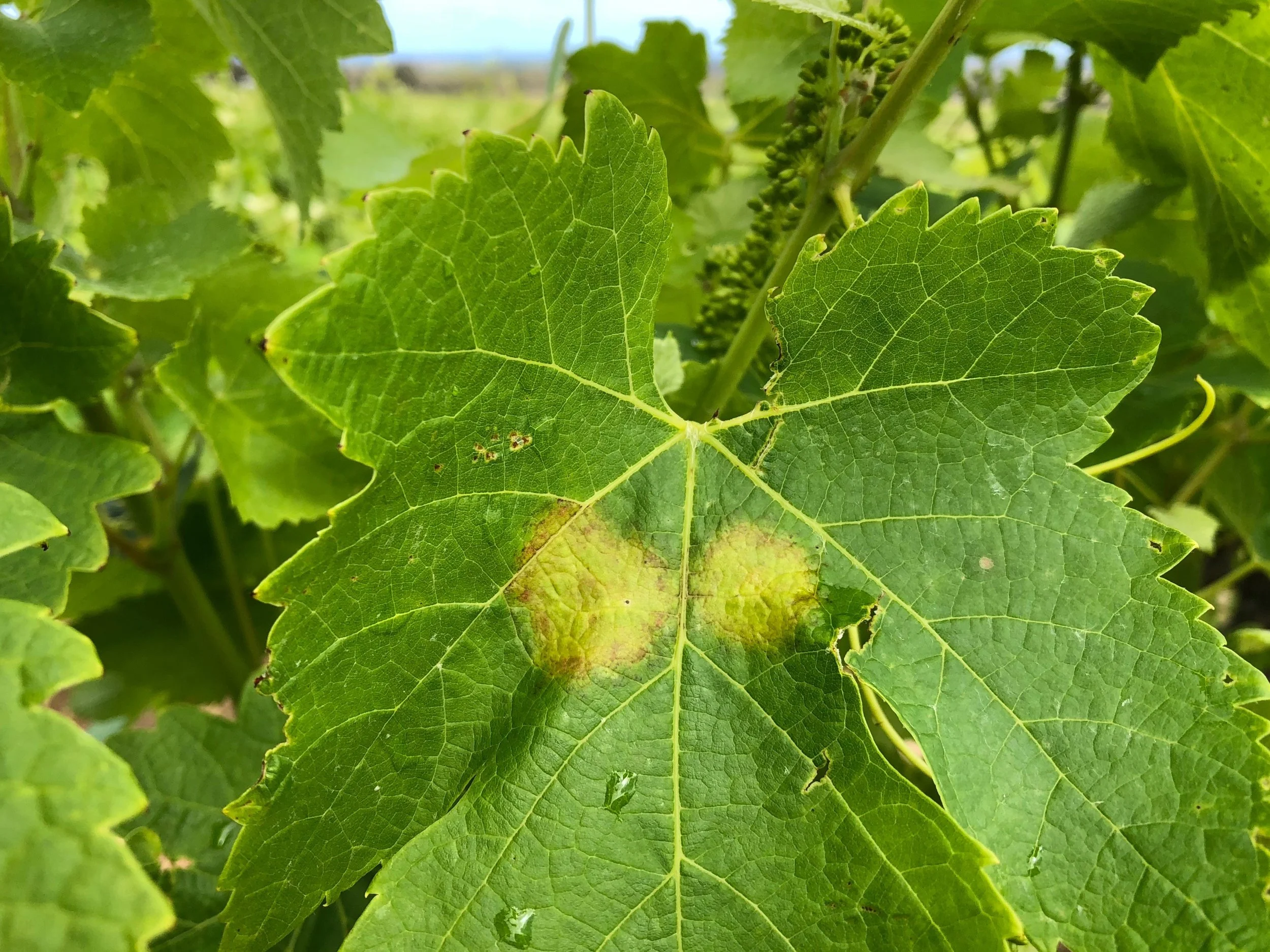
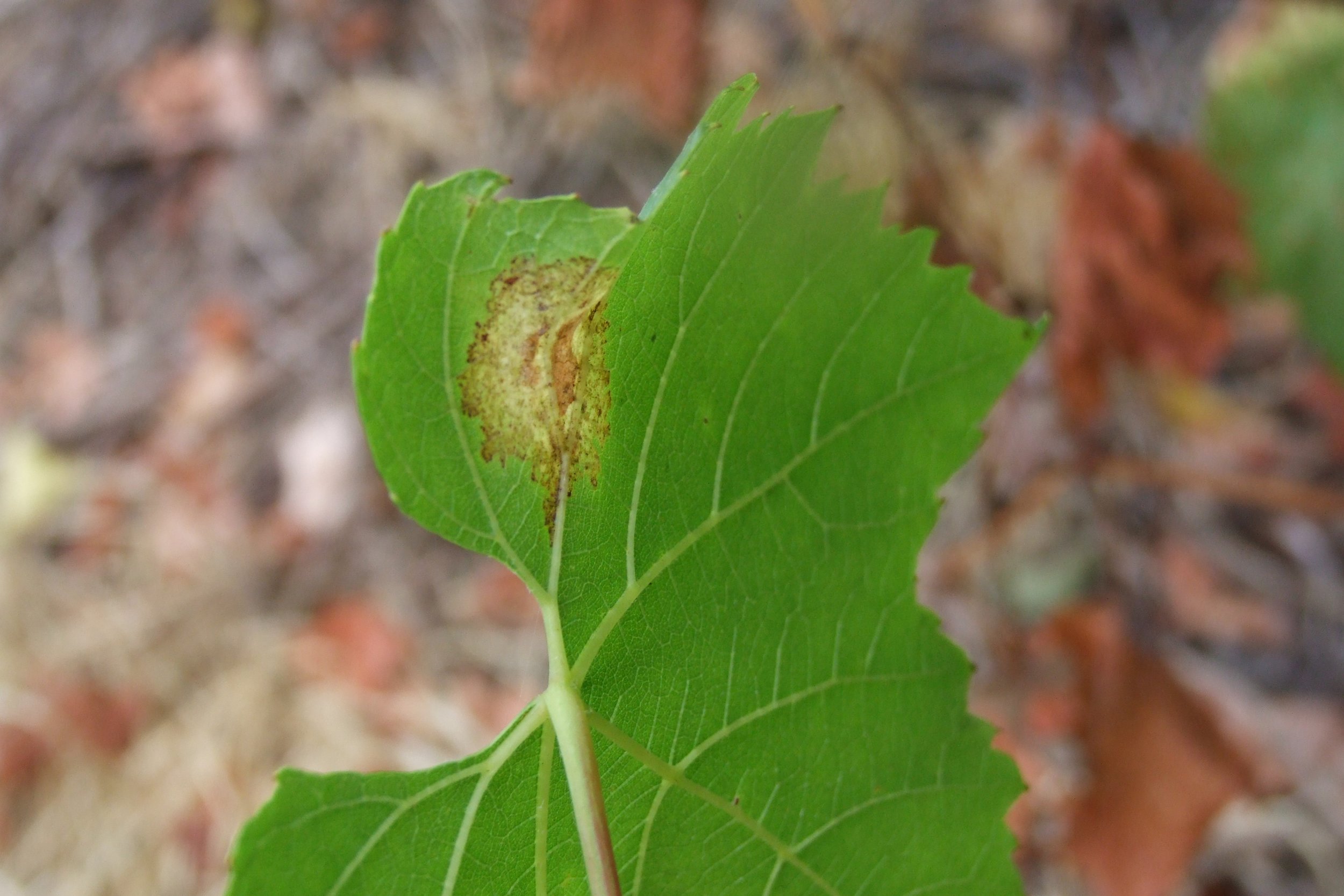
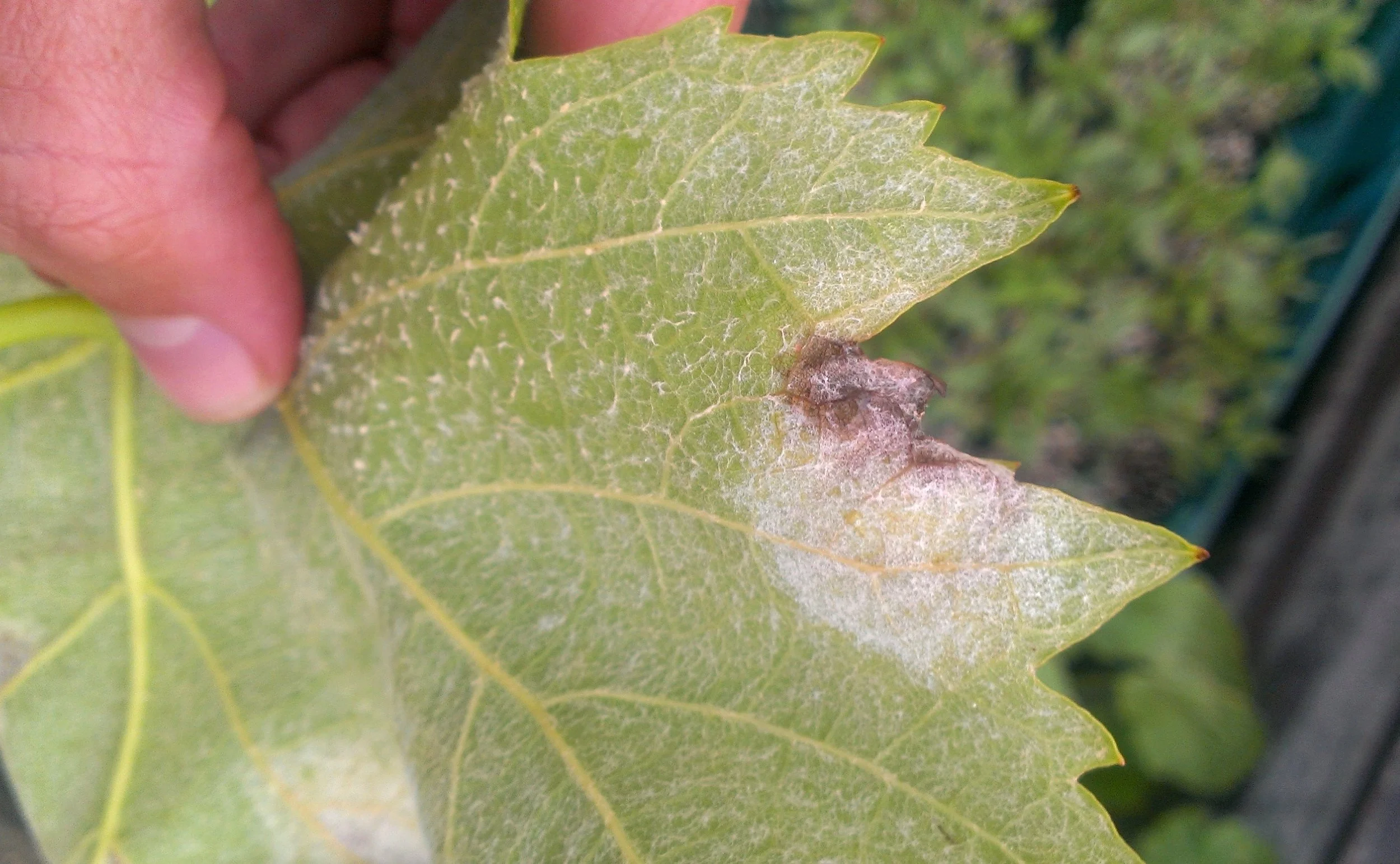
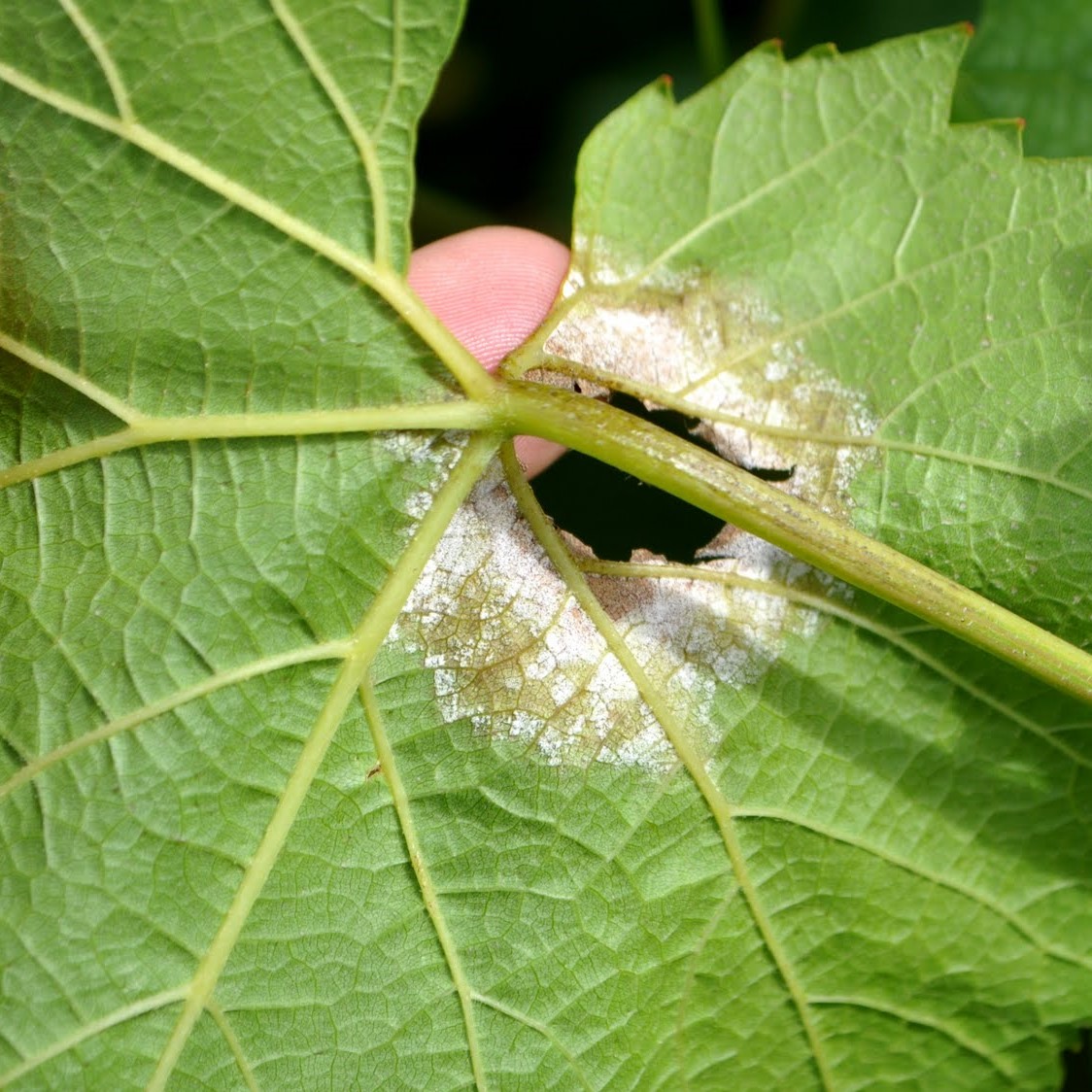
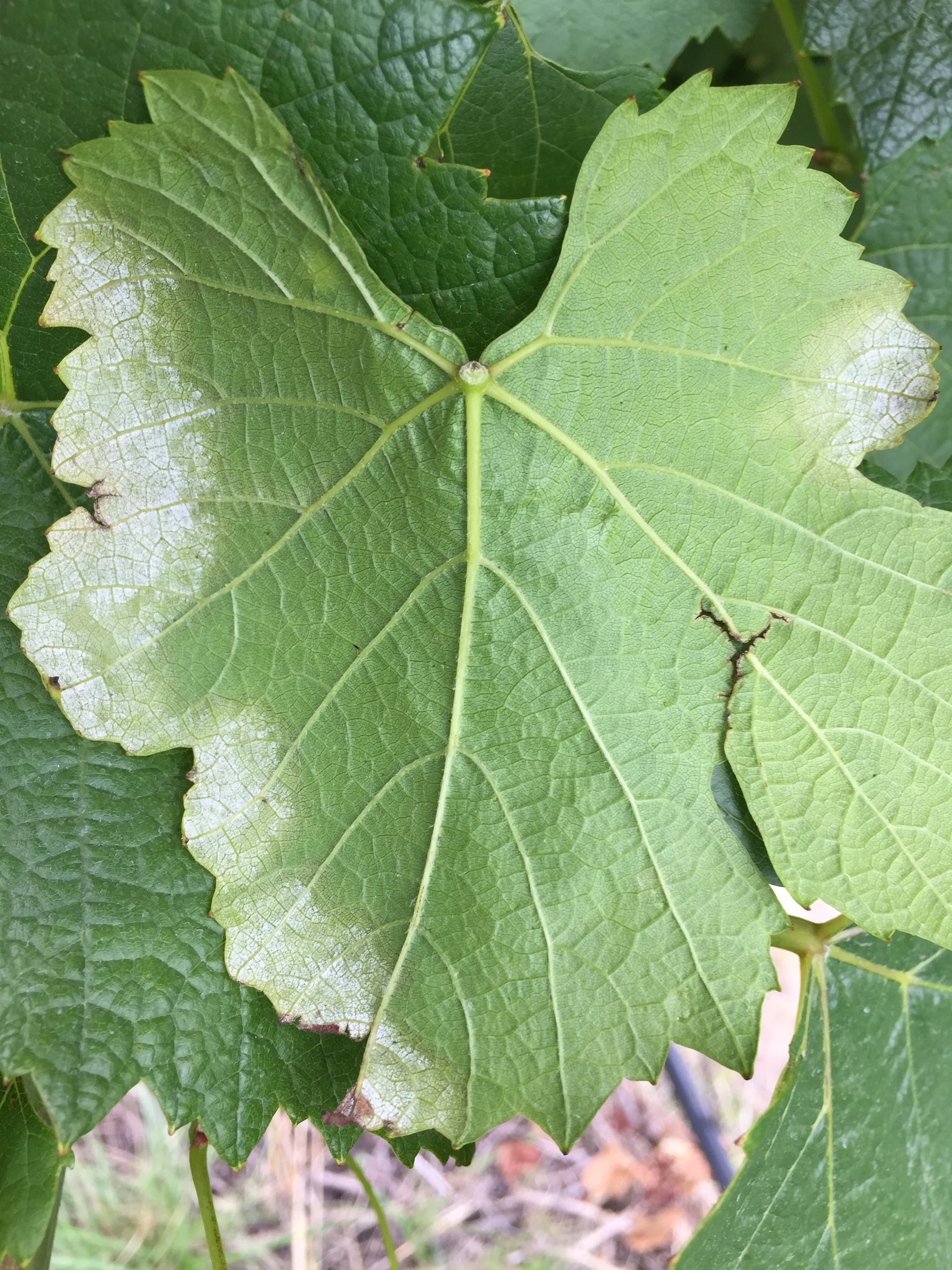
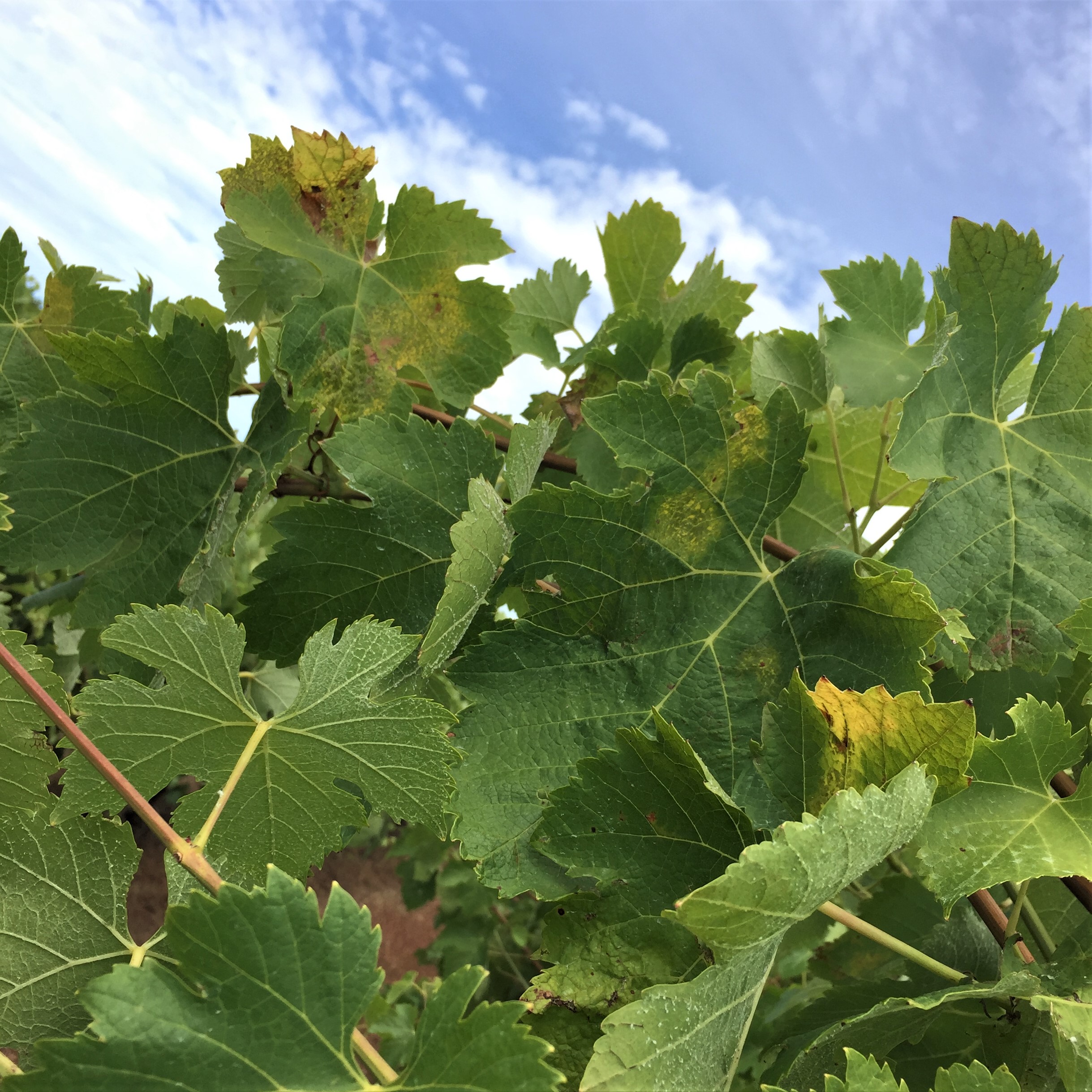
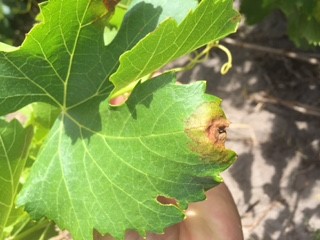
Our Agronomy team have captured high quality images for you to use to ID downy mildew, caused by Plasmopara viticola.

Primary oilspot showing the back of the leaf. Spring.

Primary oilspot showing the back of the leaf. Spring.

Primary downy mildew oilspot - front of leaf. Spring.

Primary downy mildew oilspot - front of leaf. Spring.

A twin downy mildew oilspot. Spring.

A twin downy mildew oilspot. Spring.

Shoot Growth Post Harvest - Is this a problem? by James Hook

The importance of the post-harvest period is largely determined by climate, variety, yield, and management prior to harvest. Vines will tolerate a season or two with limited post-harvest irrigation, but productivity will eventually be reduced if this continues over many seasons. In the same vain they are thought to tolerate excessive irrigation and fertiliser for one or two seasons before the vine becomes unbalanced.

Shiraz reshooting from excessive water and fertiliser application post-harvest.

Clearly in the picture below the rate of fertiliser and irrigation has been too high and the vines have re-shot.

For conventional vineyards DJ's also recommend using 'soft' fertiliser products instead of Urea which is straight Nitrogen. DJ's use and recommend specialist post harvest fertiliser liquid blends which contain a combination of Nitrogen, Phosphorous and Potassium.

We recommend this because:

  • Like carbohydrates, grapevines require a supply of nutrients from stored reserves to support growth in early spring. Nitrogen in the roots and wood follows a similar pattern to carbohydrates and post-harvest applications will influence the nitrogen status of the vine in the following season.

  • These products are highly soluble.

  • The role of other nutrient reserves is less well understood, but post-harvest uptake of phosphorus does appear to be important. To a lesser extent, magnesium, calcium and potassium uptake after harvest will also contribute to growth in the following spring. Little is known about the role of other nutrients carried over winter in grapevine tissues.

With all organic options it is best to check with us and your certification body before use!