Supporting Australia’s Top Vineyards by James Hook

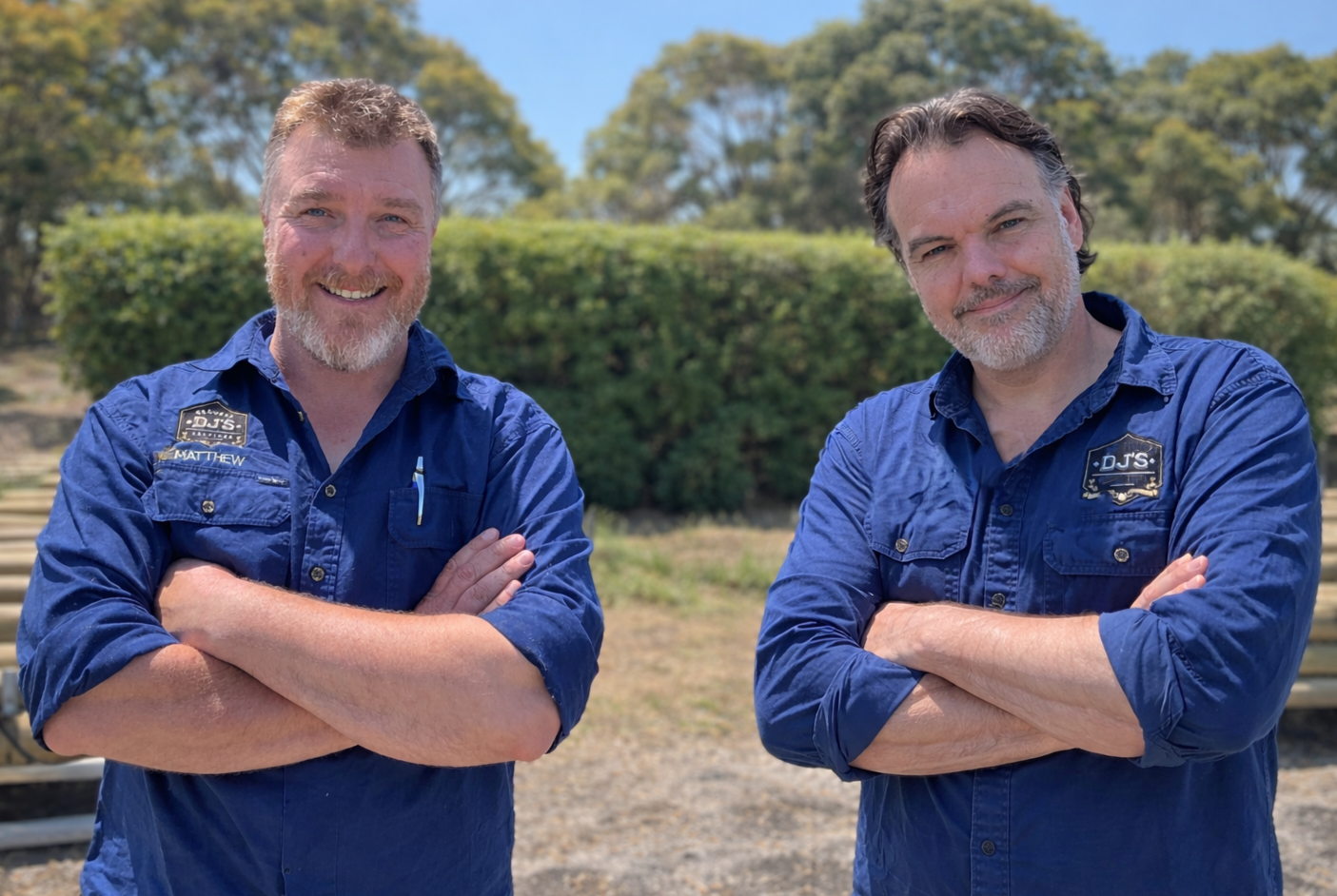
James Hook and Matthew Wilson from DJ’s Grower Services recently contributed to the sixth annual Vineyard of the Year Awards run by Young Gun of Wine. Their involvement highlights the value of strong technical expertise across Australia’s vineyard sector.

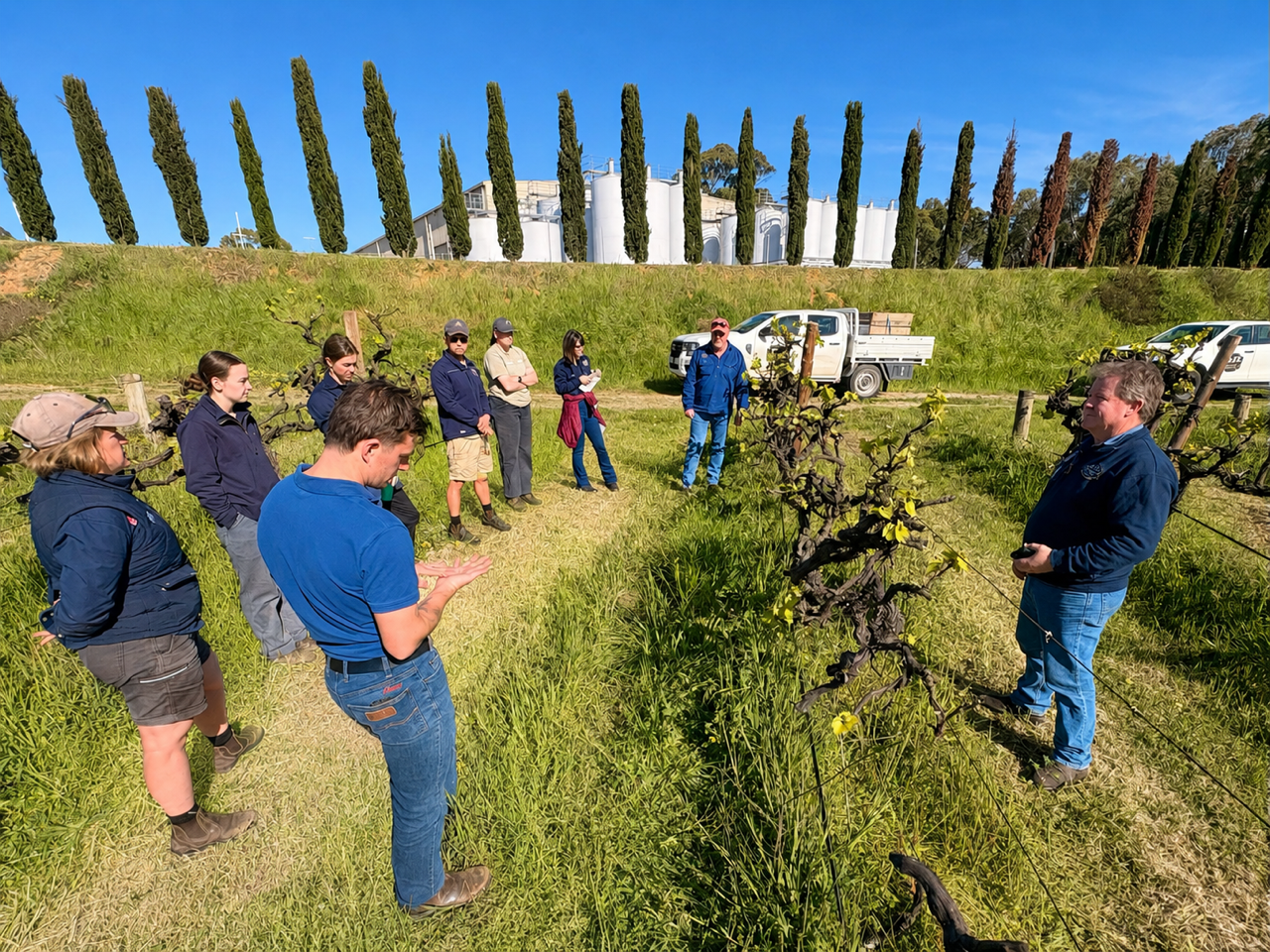
As part of the judging process, James and Matthew conducted independent vineyard inspections. These visits verified practices on the ground and ensured consistency across a diverse group of finalists. The awards recognised 45 vineyards from across the country, each demonstrating high standards in sustainability, innovation, and fruit quality.

The Vineyard of the Year Awards continue to highlight the critical role growers play in shaping wine quality and regional identity. Independent assessments like these provide valuable benchmarking and support continuous improvement across the industry.

James and Matthew’s work through DJ’s Grower Services demonstrates how practical experience and technical knowledge can deliver real value to vineyard businesses. Their contribution supports better decision-making and reinforces confidence in vineyard performance at a national level.

2026 Cover Crop Guide by James Hook

Establishing and maintaining a vineyard ground cover, and adding compost, can be one of the first activities cut during times of tight budgets. Should it be? Experience shows that ground cover and soil health is absolutely critical over the medium to long-term to keep vineyards viable. 

Soil carbon % one of the most critical indicators of soil health, and keeping ground cover is also one of the central tenets of regenerative agriculture.

If you are going to do it, do it effectively...

Olive Grove Soil Testing by James Hook

Soil testing is a valuable tool that empowers olive growers to make informed decisions regarding nutrient management, irrigation practices, soil health, and pest control. By optimising these key factors, farmers can unlock the full potential of their olive groves, ensuring higher yields, superior fruit quality, and long-term sustainability.

Contact Jen Pedder for a quote (email). 

Incorporating soil testing into regular farm management practices is a wise investment that yields multiple benefits for olive growers, contributing to their success and the overall health of the olive industry.

Vintage 2026 Grape and Horticulture Internships are now open by James Hook

Applications due: July 1, 2025.

DJ’s Grower Services run a paid intern programme. Each Spring and Summer, we have the requirement to offer paid internship positions to appropriately qualified Horticulture/Viticulture undergraduate and post-graduate students.

As a leader in providing Agronomy services, we are looking for 4-5 Interns with a mature, practical understanding of the local wine and horticultural community from a field production perspective.

Ideally, these Students should possess some of these attributes:

    • Have the ambition to pursue a career in local Horticulture/Viticulture

    • Have a sound understanding of production Horticulture/Viticulture

    • Have excellent communication skills

    • Attention to detail

    • Have a strong work ethic and enjoy working outdoors

    • Be able to work both as part of a team, and independently

    • Can professionally represent DJ’s Grower Services within the broader industry

We see this as a wonderful way for highly talented Students to involve themselves in the industry, from a technical viewpoint.

We want to interview prospective Interns in July. So get your CV and cover letter into us!

Applications can be sent to James Hook, e: james@djsgrowers.com.au, Matthew Wilson e:matthew@djsgrowers.com.au, & Jen Pedder e: jennifer.pedder@djsgrowers.com.au

Comparing 2024/25 to historical droughts by James Hook

We are currently 6 months into an extended dry period with some similarities to 1982/1983. How do current conditions compare?

Read below.

Fig 1: 2024/25 extended dry period in South Australia.

1967 Drought Summary

Fig 2: South Eastern Australia affected by drought in 1967.

Intense drought affected southeastern Australia in 1967. The first six months were the driest January–June period in the 20th century over large areas of Victoria, southeastern South Australia, and northern and eastern Tasmania. Unseasonal dust storms affected South Australia in late May, and again in late July. By now, parts of southwestern Victoria were being declared drought areas. In Melbourne and Adelaide, 1967 remains the driest year in more than 160 years of records.

1982–83 Drought Summary

Fig 3: 1982/83 extended dry period over most of Australia.

The 1982/83 dry period was more severe than what we are currently experiencing because it occurred across almost all of Australia. The extended dry period lasted 11 months—from April 1982 to March 1983—locally there was about 2/3 of a typical winter rainfall season (200mm) at Willunga and then a dry spring and summer. This drought was linked to a very strong El Niño event. Current local conditions are not linked to El Niño conditions.

After widespread rainfall in March 1982, conditions rapidly deteriorated. By winter, a severe drought had taken hold across most areas east of a line from Alice Springs to Ceduna in South Australia. Clear skies, low humidity, and frequent severe frosts in June and July compounded the situation. Extremely dry conditions continued through spring across eastern Australia, with many regions recording their lowest rainfall on record between April and December.

By November, topsoil had dried out to the point where it was being blown away in dust storms. The drought culminated in disaster with the Ash Wednesday bushfires in February 1983. On February 8, massive dust storms swept across South Australia and Victoria. Just eight days later, on February 16, the devastating bushfires struck.

Relief finally arrived in March. A major low-pressure system developed over northwestern Australia on March 12. Over the following week, it moved eastward, bringing widespread heavy rain and flooding. It then tracked south through New South Wales and Victoria, reaching Tasmania by March 23. This system delivered record-breaking March rainfall across much of the drought-affected area. Follow-up rains in April and May marked the definitive end of the drought.

Pasture Soil Testing Services by James Hook

Maximise Your Pasture's Potential with Professional Soil Testing.

Contact Ross Boag (email) for more information.

If you're landowner with pastures, you know that healthy soil is the foundation for successful grazing and robust forage growth. Yet, determining the quality of your soil and understanding its specific needs can be a daunting task. That's where professional soil testing services come in. By analysing your pasture's soil composition, nutrient levels, and pH balance, our Pasture service provides you with invaluable information to optimise your pasture management strategies.

We Identify -

  • Nutrient Deficiencies & fertility limitations including acidic soil.

  • Tailor fertiliser applications to correct these.

  • pH Balance and Lime Recommendations: Different grasses and legumes have specific pH preferences, and maintaining the optimal pH range is vital for their productivity.

  • We cross check with local data: Regular soil testing in local farms mean we have established a baseline for your pasture's soil health and provides a benchmark to monitor for changes over time.

  • Methods to be cost-effective: Investing in professional soil testing services may seem like an additional expense, but it can actually save you money in the long run.

By tailoring your approach to your pasture's specific needs, you'll foster a thriving soil ecosystem, improve grazing quality, and enhance animal performance.

Embrace soil testing as an essential tool for maximizing the productivity, and profitability!

Vineyard Petiole and Tissue Testing by James Hook

Nutrition management plays a critical role in determining vine yield and, importantly, the fermentation characteristics of grape must and flavor of the final wine product.

How do you monitor vine nutrient status? One indispensable tool in the arsenal of vineyard managers is petiole testing, a powerful technique that offers numerous benefits.

DJ’s offer nutrient testing at three critical times of the vines growing season;

  • Pre-flowering

  • 80% Capfall

  • Veraison

Vineyards can achieve optimal nutrient management, early detection of disorders, and tailored vineyard practices, setting the stage for exceptional wine production.

Vineyard Soil Testing Service by James Hook

A thriving vineyard starts with healthy soil. Professional soil testing is an invaluable tool that provides vineyard owners with crucial insights into their soil's composition, nutrient content, and potential limitations.

By utilizing DJ’s soil testing services, vineyard owners can tailor their nutrient management strategies, adopt sustainable practices, and make cost-effective decisions that optimise their vineyard's potential.

Our ASPAC-accredited lab (APAL-EUROFINS) provides detailed analysis of your soil sample to forms the basis for a soil fertility programs tailored specifically to your needs.

Contact Matthew Hill (email) for more information or a quote.